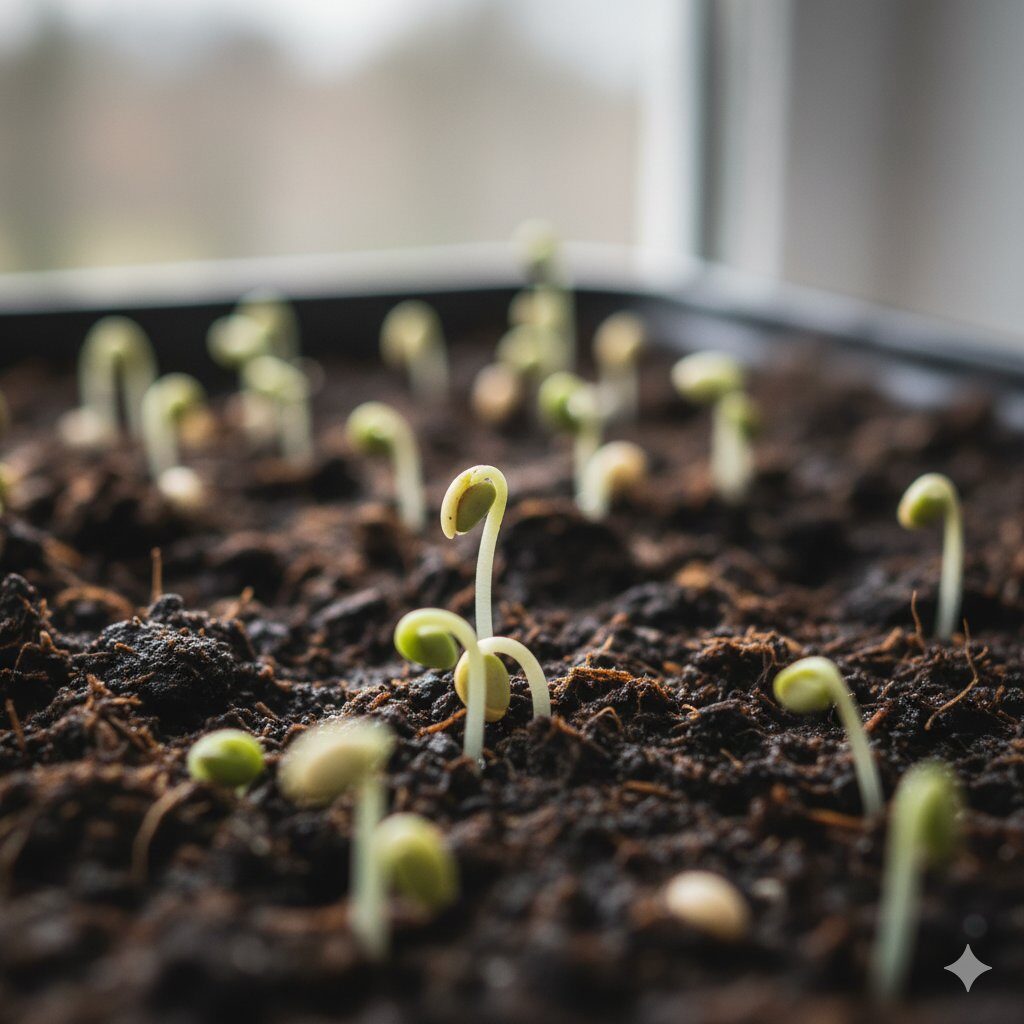
The most common reason people don't continue with microgreens after their first tray: they don't know what to do with them. They're not salad greens. They're not a garnish on a wedding plate. They're a flavour and nutrition upgrade for food you already eat every single day.
Here are five ways to use them. Zero recipe changes. If you're wondering whether a live tray or a cut pack is right for you first, see live tray vs cut microgreens explained.
How do you add microgreens to Indian dishes?
Into your dal — the last 10 seconds
Dal is the easiest entry point. When the dal is ready, turn off the flame. Wait 30 seconds. Scatter a small handful of microgreens directly into the bowl or the pot. The residual heat wilts them just enough — they absorb the flavour of the tadka, and add a fresh top note that you've never had in dal before.
Best variety: Methi (मेथी) — the bitterness echoes methi dana in the tadka perfectly. Or pea shoots for a sweeter, more neutral finish.
🌾 Methi 🌿 Pea Shoots 30 seconds off the flame, then scatterOn top of poha or upma
Both dishes get served immediately. Plate the poha, then pile a small nest of microgreens in the centre — as naturally as you'd add sev or coriander. The crunch of sunflower microgreens against soft poha is genuinely different from anything else. The visual is also much better than what you're currently serving.
Best variety: Sunflower (सूरजमुखी) — thick stems, nutty flavour, holds its texture even against hot food. Red Amaranth adds colour if you want to impress.
☀️ Sunflower 🔴 Red Amaranth Pile in the centre like you would sevFolded into raita
Raita is cold. Microgreens are cold. This is the one place you can add them and mix them in fully — they become part of the raita rather than sitting on top. Chop them small or leave them whole. They add a green freshness that makes the standard boondi raita taste like something a restaurant would serve.
Best variety: Pea shoots — sweetness complements yoghurt. Broccoli microgreens if you want a peppery note that cuts through the richness of a heavy meal.
🌿 Pea Shoots 🥦 Broccoli Mix in or scatter on top — either worksWith scrambled eggs or anda bhurji
Off the heat, into the pan. The eggs are still warm enough to wilt the microgreens slightly, which is exactly right. Anda bhurji is already a fast-cook dish — this adds maybe 4 seconds to the process. The combination of egg protein and the amino acid profile of sunflower microgreens makes this one of the more nutritionally complete quick breakfasts you can make.
Best variety: Sunflower or broccoli. Both have enough flavour body to hold against egg and spice.
☀️ Sunflower 🥦 Broccoli Off the heat, let the pan warmth do the workAs a side on your thali
This is the most underused option. A small katori of mixed microgreens — dressed with nothing but a pinch of chaat masala and lemon — sits on a thali the same way a kachumber salad does. It adds texture, colour, and a fresh counterpoint to anything heavy. Guests notice it. Nobody expects it. It costs less than the papad you're already serving.
Best variety: A mix — Red Amaranth for colour, pea shoots for sweetness, methi for the bitter note that palate-cleanses between bites.
🔴 Red Amaranth 🌿 Pea Shoots 🌾 Methi Chaat masala + lemon, nothing else neededThe pattern across all five: add after heat, use a small amount, let the microgreens do their thing. They don't need to be the centrepiece. They just need to be there.
Once this becomes habit — a pinch here, a handful there — you'll reach for the tray every morning the same way you reach for salt.
Why should you bother adding microgreens at all?
Microgreens contain vitamins and carotenoids at concentrations typically 4–40 times greater than their mature equivalents, according to a landmark USDA and University of Maryland study published in the Journal of Agricultural and Food Chemistry. The Singh et al. (2024) review in Food Chemistry: X confirms this holds specifically at the cotyledon stage — which is exactly when we harvest. Adding a handful to food you already eat is the simplest possible upgrade — no new recipes, no new cooking skills, no equipment required. For the specific science on methi, read what the research says about methi microgreens and blood sugar.
Which variety works best in Indian food?
Not all microgreens behave the same way in Indian food. Methi and pea shoots are the most versatile — mild enough for every dish. Sunflower brings crunch and a nutty note best used where texture matters. Red amaranth adds striking colour on a thali. Broccoli has a slight peppery heat that works well against rich, creamy dishes like raita or paneer. If you're comparing a live tray to a cut pack, a live tray lets you harvest different varieties on different days.
A single Harit live tray covers 5–7 days of daily use for a family of four.
Delivered alive within 24 hours across Bhopal.